The Journal
Cabo Sportfishing Seasons: Marlin, Tuna, Dorado and Panga vs Cruiser
Los Cabos fishes well all year, but each season favors different species. A practical look at the calendar, the fishing grounds and how to choose between a panga and a cruiser.
Los Cabos has long been one of the great sportfishing destinations in the world, a place where the cold currents of the Pacific meet the warm, life-rich Sea of Cortez and deep water lies just minutes from the harbor. Billfish are present in every month of the year, and the seasons bring a changing cast of tuna, dorado, wahoo and roosterfish.
This guide walks through what tends to be biting when, where the fleets fish, and how to choose between a nimble panga and a fully equipped sportfishing cruiser.
The Sportfishing Calendar
Ocean conditions shift from year to year, so treat any calendar as a guide rather than a promise. A good captain will tell you honestly what has been happening on the water in the days before your trip.
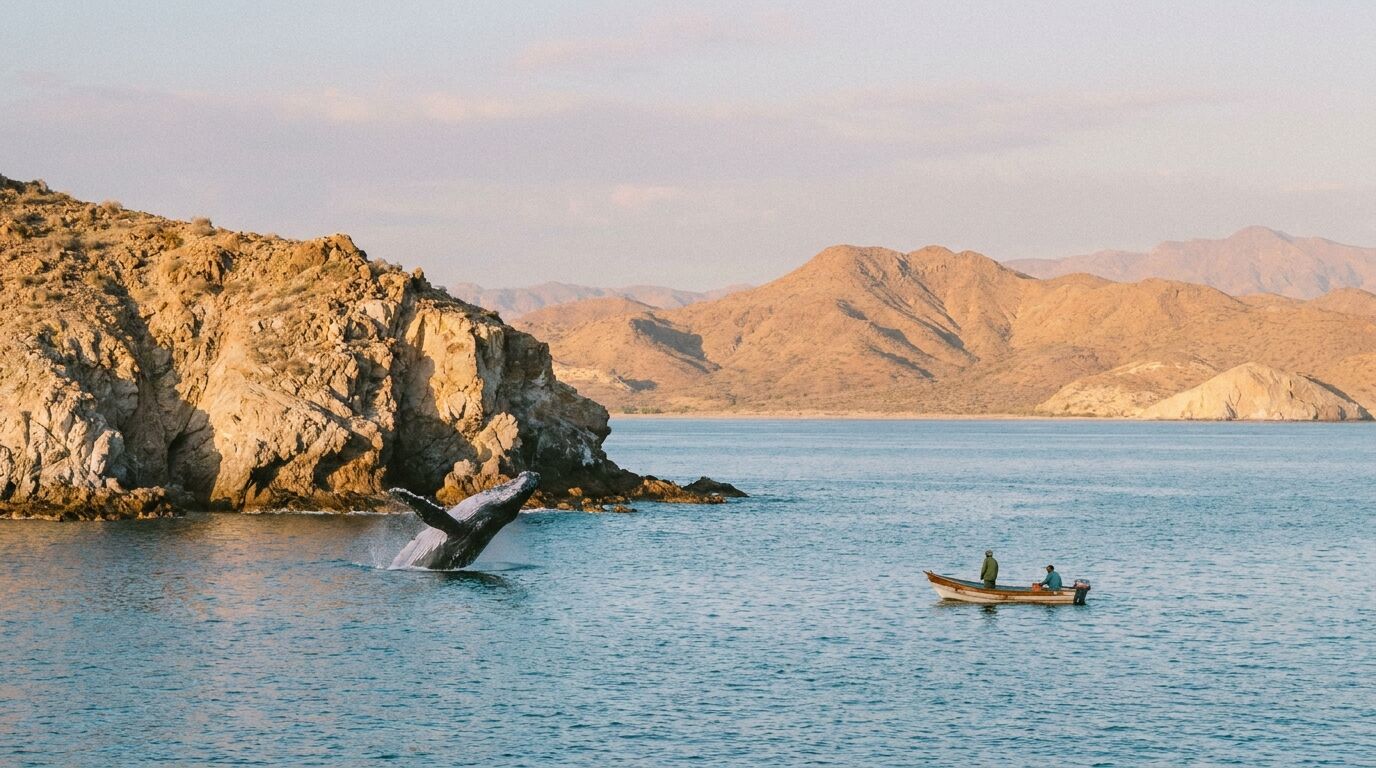
- Winter (December to February): striped marlin, some tuna and inshore species, in cooler water, with whale sightings common on the way out.
- Spring (March to May): striped marlin, early roosterfish and yellowtail, often in calm conditions, with productive striped marlin fishing on the Pacific side.
- Summer (June to August): dorado, roosterfish, blue and black marlin and tuna in warm water, with roosterfish along the beaches, especially toward the East Cape.
- Autumn (September to November): blue and black marlin, yellowfin tuna, wahoo and dorado, widely considered the peak of the big-game season and the heart of tournament season.
Marlin
Striped marlin are the backbone of Cabo billfishing and can be found throughout the year, with strong fishing often reported from winter into spring. Blue and black marlin, the true heavyweights, are mostly a warm-water affair, arriving in summer and peaking in the autumn months. Catch and release is the norm for billfish in Los Cabos, and most crews encourage it as standard practice.
Tuna and wahoo
Yellowfin tuna can appear at many points in the year, but autumn is the season anglers look forward to most, when schools often run with porpoise far offshore or hold over the underwater banks. Wahoo, prized for their speed, are typically an autumn and early-winter target.
Dorado and roosterfish
Dorado, also known as mahi-mahi, bring color and acrobatics to summer and autumn days, often found around floating debris and weed lines. Roosterfish are an inshore prize, hunted along the sandy beaches from spring through summer, and are traditionally released.
Where the Fleets Fish
From Cabo San Lucas, boats can be over deep water within minutes of leaving the harbor. Crews work the Pacific side, where well-known offshore banks such as the Golden Gate and San Jaime banks attract bait and the predators that follow it, as well as the Sea of Cortez side toward the corridor. From San José del Cabo and Puerto Los Cabos, the Gordo Banks, a pair of seamounts offshore, are a celebrated destination for tuna, wahoo and large game. Further north, the East Cape has its own long angling tradition, particularly for roosterfish and dorado.
Most Cabo San Lucas fleets depart the Cabo San Lucas marina early, while many San José charters leave from Marina Puerto Los Cabos, which places you close to the Gordo Banks.
Panga vs Cruiser
The single most practical decision you will make is the type of boat. Neither is superior; they simply suit different anglers and different days.
The panga
A panga is a traditional open fiberglass skiff, typically powered by a single outboard and run by a captain who often doubles as mate. Pangas are light, economical and close to the water, which makes every fish feel personal. They suit two or three anglers, inshore and near-shore fishing, and the roosterfish beaches. The trade-offs are limited shade, no enclosed cabin and, usually, no restroom, so they suit those comfortable with a simpler day.
The cruiser
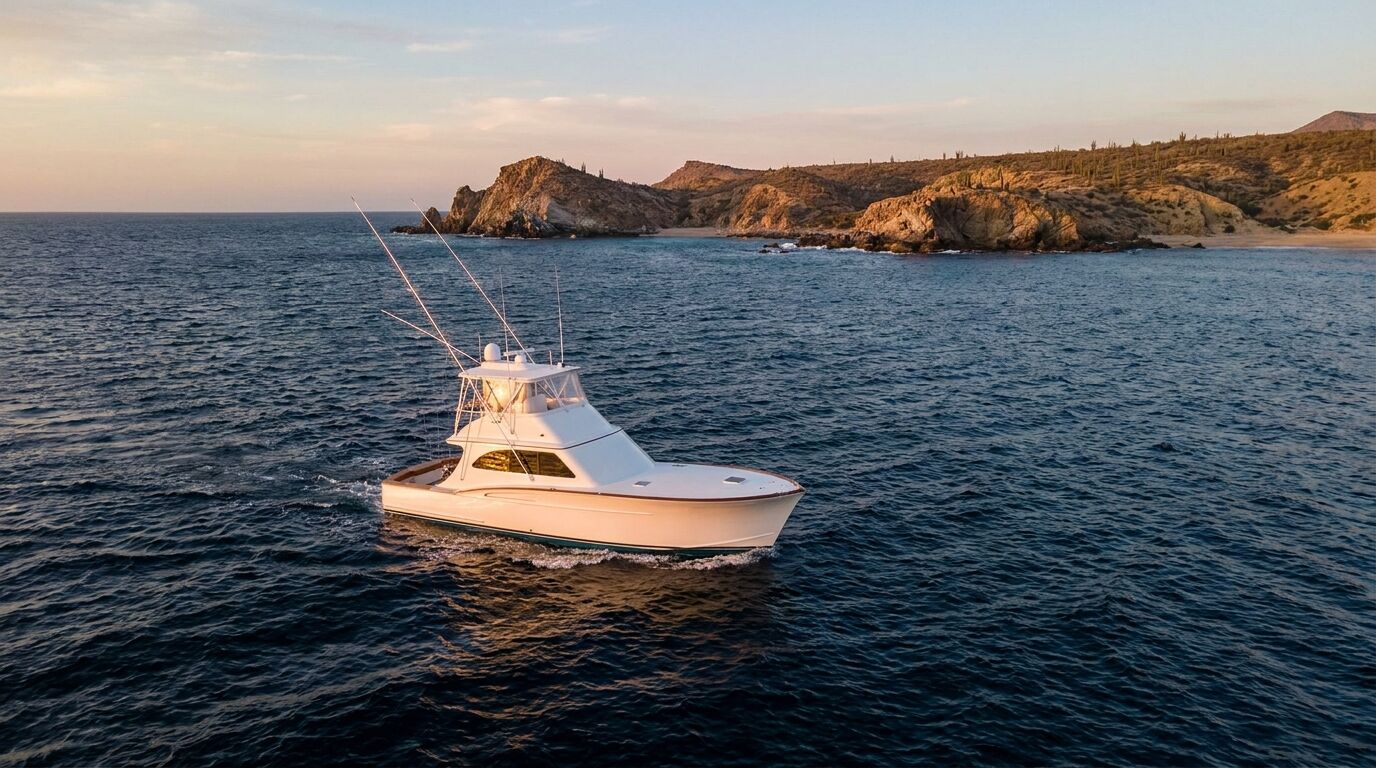
A sportfishing cruiser is a larger cabin boat, commonly with a flybridge, fighting chair, outriggers, a head and shaded seating. Cruisers cover distance more comfortably, reach the far banks with ease, handle a sea with more grace and are better suited to families, mixed groups and anyone who wants comfort between bites. Larger cruisers and yachts can also bring a chef aboard, turning part of the catch into sashimi on the ride home.
| Panga | Cruiser | |
|---|---|---|
| Group size | Two to three anglers | Four to six anglers or more |
| Comfort | Open, limited shade, rarely a restroom | Cabin, shade, restroom, seating |
| Range | Inshore and near-shore | Offshore banks and long runs |
| Ideal for | Roosterfish, purists, a simpler day | Marlin and tuna, families, rough-water days |
Choosing a Charter
The directory’s sportfishing charters category spans long-established fleets and small, captain-led operations. In Cabo San Lucas, Pisces Sportfishing Fleet runs a range of named boats from the marina, Tag Cabo Sportfishing works marlin, tuna and dorado with a variety of techniques, and Armada Sport Fishing pairs offshore fishing with a chef on board. On the San José side, family-run charters such as Abigail Sport Fishing and Fatisport Fishing depart Puerto Los Cabos for the Sea of Cortez.
Whichever you choose, ask what is included: tackle, bait, fishing licenses for everyone aboard, food and drinks, and whether there is a fish-cleaning or packing arrangement at the dock. Mexican regulations require a fishing license for each person on a fishing vessel, and reputable charters arrange this as part of the booking.
Many anglers who return to Los Cabos year after year eventually look at a home near the marina, so that an early departure is a short walk away. Our guide to owning a home in Los Cabos introduces the communities near both marinas and how buying works for foreign owners.
For a round of golf on a non-fishing day, our sister site Los Cabos Golfing covers the region’s courses.
A Typical Day on the Water
Most charters begin before sunrise with a stop for live bait, usually bought from bait boats near the harbor mouth. The run to the grounds can take anywhere from a few minutes to over an hour, depending on where the fish have been reported. Crews then troll lures or slow-trolled bait, watching for birds, jumping bait and the telltale shape of a marlin’s dorsal fin. Half-day trips return around midday; full days often stay out until mid-afternoon.
Back at the dock, the crew will clean your catch, and many restaurants near the marina will cook it for you, a long-standing Los Cabos tradition that turns a morning’s fishing into lunch.
Bringing beginners and children
Sportfishing in Los Cabos is not only for experienced anglers. Crews are used to coaching first-timers, and a half day aimed at dorado or tuna is often a good introduction. For children, choose a stable cruiser with shade and a restroom, keep the trip shorter, and agree with the captain beforehand that the day can end early if anyone feels unwell.
Planning Tips
- Book early for autumn, which is the busiest time of year for the fleets.
- Expect an early departure; many boats leave the dock around dawn.
- Confirm that licenses, bait and tackle are included, and what happens to the catch.
- Choose a cruiser if anyone is prone to seasickness or wants shade and a restroom.
- Bring motion-sickness remedies, a hat, layers and reef-safe sunscreen.
- Embrace catch and release for billfish and roosterfish, and keep only what you will eat.
Sportfishing in Los Cabos is as much about the setting as the fish: the run out past the Arch at first light, the glassy stretches of open ocean, the moment the line goes tight. Match the boat to your group, trust a crew who knows the water, and let the season guide the day.
This guide is for general information. Details change, so please confirm specifics directly with each business. More from the Journal →